
RESOURCES
Maine Farmed Species Guide
An overview of Maine's cultivated aquatic species and their history, status, and farming methods
Oysters
Oyster farming is one of the most visible and rapidly growing sectors of Maine’s aquaculture industry. Maine’s cold, clean coastal waters provide favorable conditions for producing high-quality oysters known for their distinctive briny flavor, appearance, and consistency. Over the last few decades, oyster aquaculture has expanded significantly, supporting coastal economies, strengthening working waterfronts, and contributing to Maine’s growing reputation for premium seafood.

Eastern oyster (Crassostrea virginica)
The Eastern oyster is the most widely farmed shellfish species in Maine, forming the foundation of the state’s modern shellfish aquaculture sector. This oyster has an irregular, elongated shell with a deep cup. Native to the Atlantic coast of North America, wild Eastern oyster reefs were once abundant along the East Coast. Most of these reefs have disappeared due to overharvesting, habitat loss, disease, and declining water quality, although Maine’s cold waters historically did not support large wild oyster reefs. This species is fast-growing, typically reaching market size in 18 to 30 months. Eastern oysters have a wide salinity tolerance, making them suitable for growth in a range of coastal and estuarine environments.
European oyster (Ostrea edulis)
The European oyster is a non-native species, characterized by a round, flat shell with smooth edges. This oyster prefers cooler waters and has a slower growth rate than the Eastern oyster, often taking three to five years to reach market size. Although European oyster aquaculture is limited and subject to strict permitting in Maine, this species occupies a niche in the raw half-shell market.
Oysters hold deep traditional value in Maine, a legacy evident in ancient shell mounds left by the ancestors of the Wabanaki people. As wild oyster populations eventually declined, the region looked to aquaculture to meet demand. Interestingly, the state’s first farmed species was not the native eastern oyster. Companies in Blue Hill and along the Damariscotta River pioneered Maine’s aquaculture industry in the 1970s and 80s using the European oyster (Ostrea edulis), which had been introduced to the Boothbay region by the US Fish and Wildlife Service in the 1940s. These early farms relied on Japanese lantern nets, stacked trays, and floating trays suspended in the water column.
By the mid-1980s, the industry experienced a pivotal shift. Growers transitioned to cultivating the native Eastern oyster (Crassostrea virginica) because it demonstrated a higher tolerance for Maine’s environmental conditions. To support this transition, researchers at the University of Maine initiated a selective breeding program to develop hardy genetic strains optimized for the state’s unique growing conditions.
HATCHERY
Oyster production begins in a shellfish hatchery with the ripening of broodstock during the off-season winter months. Broodstock are typically spawned in March and April, with juvenile seed oysters becoming available to industry growers in late May and June. Land-based or floating upwellers are commonly used for the initial growing stage to protect the seed and enhance growth by forcing nutrient-rich water through the growing bins.
GROW-OUT METHODS
After purchasing oyster seed, farmers typically begin growing oysters in floating bags or cages attached to longlines. Floating cages are regularly flipped to air dry the undersides, reducing biofouling. As oysters grow in size, farmers regularly size-grade, thin, and cull their crop to maintain optimal growing conditions. Once water temperatures start to drop in the late fall and early winter, growth begins to plateau. During this time, farmers may choose to sink their cages to protect oysters from harsh surface conditions or overwinter them in a temperature-controlled environment (typically a raft or indoor storage facility).
FLOATING SYSTEMS
In Maine, many farmers use floating systems to grow oysters from seed to market, particularly at sites where surface culture conditions are suitable and boat access is available. Floating gear can be one of the more accessible options for small-scale growers because it allows farmers to take advantage of warmer surface temperatures and food availability. Surface exposure and wave action can also help reduce biofouling and provide natural tumbling; however, floating systems require regular maintenance, flipping, and drying. Careful site selection is important to avoid damage from storms, ice, and excessive wave exposure.
SUSPENSION SYSTEMS
Suspension systems offer a more three-dimensional approach to oyster farming by using the vertical water column rather than only the sea surface or seabed. These systems may include cages, trays, lantern nets, or other containers suspended from longlines, rafts, or floats. In Maine, suspended culture can be effective for holding large volumes of shellfish and improving water flow around the animals, but often requires more labor, larger vessels, and equipment for lifting, lowering, cleaning, and maintaining gear.
BOTTOM CULTURE
Bottom culture refers to oyster grow-out methods that use the seabed or near-bottom environment. This includes both bottom planting, where oysters are placed directly on the seabed without gear, and bottom gear systems, where oysters are held in cages, bags, or trays that sit on or just above the bottom. Bottom planting can reduce gear and equipment costs and may produce oysters with harder shells and characteristics preferred by certain markets, but is highly dependent on site selection and carries a higher risk of mortality. Some farmers use a hybrid approach, beginning cultivation in floating gear before moving larger oysters, usually 1.5’’ in length, to the bottom. Bottom cages and bags offer more control than free planting because oysters remain contained and are easier to monitor. However, bottom culture requires additional gear, maintenance, and handling. Free-planted oysters are harvested by a diver or a drag. Oysters in cages or bags are harvested by lifting the unit to the surface.
INTERTIDAL CULTURE
Growing oysters in the intertidal zone is common globally and in certain areas of the United States. The main advantages of this approach are site access and regular air exposure. Because intertidal farms are exposed at low tide, farmers can often set, inspect, flip, and maintain gear without needing a boat. Twice daily tidal exposure can also help reduce biofouling. Intertidal farms may use several gear types, but one of the most common is the “rack-and-bag” system, where mesh bags are secured on raised racks or platforms above the seabed. Intertidal oyster culture has been trialed in Maine, but winter ice, freeze-thaw stress, and storm-driven gear movement can create barriers. Because of these winter challenges, many Maine farmers rely on floating, suspended, bottom, or seasonally managed systems rather than permanent intertidal rack-and-bag culture.
PRODUCT HANDLING & QUALITY
Aside from flavor, which is strongly influenced by site conditions, season, and harvest timing, oyster farmers also focus on producing a consistent and appealing product. Oysters with a deep cup and rounded shape are generally considered higher quality. Growers often talk about achieving a good “meat-to-shell” ratio, meaning that the meat is plump and fills the shell to its edges. To improve shell shape and product quality, farmers may regularly shake or flip oyster bags, adjust stocking densities, sort by size, and run oysters through a tumbler to chip excess shell growth and encourage a deeper cup. Depending on the site, gear type, and growing conditions, oysters can take anywhere from one to three years to reach market size. During that time, regular grading and husbandry help maintain consistent growth, reduce crowding, and maintain quality. Once oysters leave the farm, quality can be maintained through proper handling and cold storage, but it cannot be improved. Farmers, therefore, focus on producing, sorting, cleaning, and inspecting oysters carefully before they leave the site to ensure a consistent, high-quality product reaches the market.
PROCESSING
Harvested oysters are sorted and prepared for market based on size, appearance, and shell condition. Processing steps may include washing, sorting, and packaging. During Maine’s Vibrio control season, oysters must be handled to prevent time-temperature abuse and rapidly cooled to an internal temperature of 50°F or below.
- The Maine Department of Marine Resources (DMR) is the primary regulator for aquaculture leases, licenses, and rules in coastal waters. DMR reviews lease applications, sets conditions, and administers aquaculture permitting processes.
- Growers can apply for a Limited Purpose Aquaculture License (up to 400 square feet, renewable annually), an experimental lease (up to 4 acres, 3 years), or a standard lease (up to 100 acres, 20 years).
- Key regulations include a 2.5-inch minimum size for American oysters, strict Vibrio control plans (June 1–Oct 15), and mandatory gear marking.
- Growers must comply with seed-sourcing biosecurity protocols and restricted movement in areas with MSX disease.
In recent decades, oyster aquaculture has rapidly expanded in Maine, with over 150 small farms now operating along the coast (according to the Maine Oyster Trail). According to the Department of Marine Resources, Maine landed around 5.4 million pounds of farmed oysters in 2024, earning harvesters and growers nearly $15 million and making the fishery Maine’s third most profitable. Oysters typically earn growers $0.75 to $1.00 apiece.
OPPortunities
- Oysters naturally improve water quality through filter feeding and require no feed inputs
- Farmed oyster reefs can prevent erosion and act as natural storm barriers
- Market expansion into new regions and direct-to-consumer markets
- Transitioning to solar-powered equipment and electric workboats as a climate adaptation strategy
- Technological advancements in site selection
Expanded selective breeding programs
Challenges
- Conflict with coastal landowners desiring unobstructed coastal views and recreational access
- Warming water temperatures can increase biofouling and the risk of disease
- Extreme weather events can damage infrastructure and impact water quality
- Farmers MAI-kit Eastern Oyster Episode | MAIC
- Bivalve Biology Online Learning Module | MAIC
- Shellfish Resources | Department of Marine Resources
- Aquaculture Map | Department of Marine Resources
- Supporting Oyster Aquaculture & Restoration (SOAR) | The Nature Conservancy
- Best Management Practices: Maine Oyster Aquaculture | Maine Aquaculture Association
-
Mussels
Although Maine’s blue mussel industry historically relied on wild bottom beds, modern aquaculture is helping to transform the sector. Raft and longline systems allow farmers to grow mussels suspended in the water column, producing a cleaner, more consistent product that is driving new market development and expanding Maine’s shellfish sector.
Blue Mussel (Mytilus edulis)
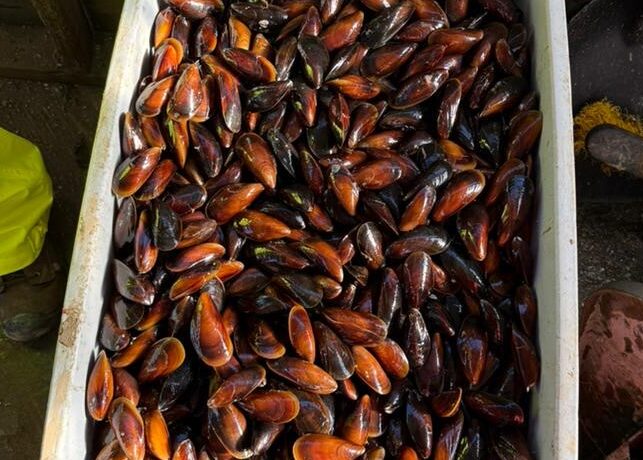
The primary mussel species farmed in Maine is the blue mussel (Mytilus edulis), a native species well suited to the cold waters of the Gulf of Maine. Wild blue mussel beds are commonly found in intertidal and shallow subtidal areas, where mussels attach to rocks, pilings, shells, and other hard substrates using strong fibers called byssal threads. In mussel aquaculture systems, these byssal threads anchor mussels to ropes, socks, or lines during grow-out. During processing, the threads, also known as “beards,” are removed before the mussels are sold.
The majority of mussel landings in Maine come from wild blue mussel beds. Wild mussels can be harvested year-round, but are commonly harvested in the winter months when the quality of the meat is best.
In recent decades, mussel farming techniques have taken hold in Maine in the form of suspended culture (mussels hung from ropes suspended in the water column) and bottom culture (mussels planted directly on the seabed). Early mussel farmers in Maine faced several challenges, including eider duck predation, poor site selection, lack of technology transfer, insufficient capital, and lack of established markets. Bottom-cultured mussels were pioneered by Great Eastern Mussel Farms, Inc., which initially produced 4 million pounds annually for the supermarket trade until the company ceased operations in the mid-2000s. Renewed interest in mussel suspension culture has sprung from successful mussel culture and sales in the Canadian Atlantic Provinces, where aquaculture development funding has been a priority.
In 1996, the Maine Aquaculture Innovation Center (MAIC) convened the Mussel Suspension Culture Working Group to help develop mussel raft technology with Maine’s native blue mussel. This group initially consisted of about 75 participants, including mussel draggers, lobstermen, clam diggers, urchin divers, and others interested in farming mussels. In 1997, MAIC granted the working group $2,000 to study different materials for mussel seed collection. In 1998, a private foundation gave the group $10,000 to purchase Spanish graders, socking machines, and rope for field trials. This was followed by $100,000 in industry development, which included 3 Scottish raft kits, 4 wooden rafts, and other infrastructure installed at Maine lease sites.
Rafts became the structure of choice for suspension culture because they provided a stable working platform and could produce high volumes in small areas. The addition of large protective nets helped mitigate predation by eider ducks.
HATCHERY
Currently, the Downeast Institute operates a small-scale mussel hatchery that produces seeded ropes and eyed larvae. MAIC has convened mussel farmers and hatchery operators from around the state to discuss the feasibility of a commercial mussel hatchery.
GROW-OUT METHODS
Several techniques are used to culture mussels along Maine’s coast. While raft systems remain the most common method, longline systems and bottom culture are also used depending on site conditions and operational needs.
FLOATING RAFT SYSTEMS
Floating raft systems, adapted from designs originating in Ireland and Spain, are one of the most common methods of farming mussels in Maine. Typical mussel rafts measure 40 square feet and can support up to 400 droplines, each roughly 45 feet long. Under suitable conditions, a raft can produce approximately 40,000 pounds of mussels in an 18-month cycle from seeding to harvest. Raft systems are most appropriate for reasonably protected shallow waters to moderately deep areas. They have the advantage of providing a stable work platform but are also susceptible to damage from extreme weather, ice, and waves.
LONGLINE SYSTEMS
Longline systems consist of a main horizontal line anchored at both ends, with flotation supporting the center section. Dropper lines, socks, or ropes are suspended vertically from the main line into the water column, where mussels attach and grow. These systems are adaptable to deeper waters and more exposed sites with stronger tidal exchange, allowing farmers to use vertical space and improve water flow. However, longline systems can be more difficult and expensive to deploy and maintain. They may also be vulnerable to sea duck predation and often require larger workboats, hydraulic haulers, and other specialized gear.
BOTTOM CULTURE
Bottom culture involves planting mussels directly on the seafloor at lower densities than dense wild beds. In this system, farmers may collect seed mussels from dense natural beds and spread them thinly over a lease site that mimics suitable mussel habitat. This technique gives the mussels more space to grow, resulting in higher growth rates than wild beds. Bottom culture reduces the capital and maintenance costs associated with suspended growout gear such as rafts, longlines, droppers, and predator nets. However, bottom-cultured mussels may have lower meat yields and more grit than suspended mussels because they grow in direct contact with the seabed. Bottom-grown mussels are harvested by using a bottom drag or dredge.
PROCESSING
Regardless of the grow-out technique, mussels must be processed before packaging to ensure they are clean, uniform, and ready for market. Processing may take place on a floating barge near the farm site or in a land-based facility, and many operations use specialized machinery arranged in hydraulically operated conveyor systems.
Declumping is the first major step in processing and involves separating dense clusters of mussels. This allows individual mussels to move efficiently through the processing line while helping remove excess mud, shell fragments, and biofouling. Debyssing removes the byssal threads attached to the mussels, improving their appearance and market quality. Washing and cleaning remove sediment, biofouling, broken shell pieces, and other debris. Thorough cleaning helps ensure the mussels are visually appealing and meet market and food safety standards. Grading sorts mussels by size and quality. Undesirable mussels are removed, while marketable mussels are separated into consistent size classes. Packing is the final stage of processing; mussels are placed into bags, boxes, or other containers for transport and distribution.
- The Maine Department of Marine Resources (DMR) is the primary regulator for aquaculture leases, licenses, and rules in coastal waters. DMR reviews lease applications, sets conditions, and administers aquaculture permitting processes.
- Growers can apply for a Limited Purpose Aquaculture License (up to 400 square feet, renewable annually), an experimental lease (up to 4 acres, 3 years), or a standard lease (up to 100 acres, 20 years).
While farmed mussels only accounted for roughly ¼ of total mussel landings in 2024, according to the Department of Marine Resources, they made up almost the entirety of the fishery’s value ($4.04 million out of the total $4.68 million). Maine-grown mussels are prized for their size, meat-to-shell ratio, and quality compared to dominant competitors. Proximity to key markets on the East Coast allows for faster delivery and greater freshness.
OPPortunities
- Rising demand for local, sustainably raised seafood
- Higher price points for farmed mussels due to superior quality and taste.
- Significant potential for expanding farm lease acreage
- Investment in new farming techniques is improving efficiency and allowing for higher-density farming
Challenges
- Predation by eider ducks and starfish
- Harmful algal blooms, which can result in mandatory closures of farms for public health safety
- Low market prices in comparison to high labor intensity and costs of production, processing, and transportation
Scallops
Scallops are a high-value shellfish with deep roots in Maine’s fishing heritage and growing interest from the aquaculture sector. The Atlantic sea scallop has long supported Maine’s commercial wild harvest fishery, while small-scale scallop farming has taken hold in recent decades thanks to technological adaptations from other regions. While technically challenging, scallop aquaculture represents a promising opportunity to diversify Maine’s seafood market, given strong market demand and increasing interest among producers.
Atlantic sea scallop (Placopecten magellanicus)
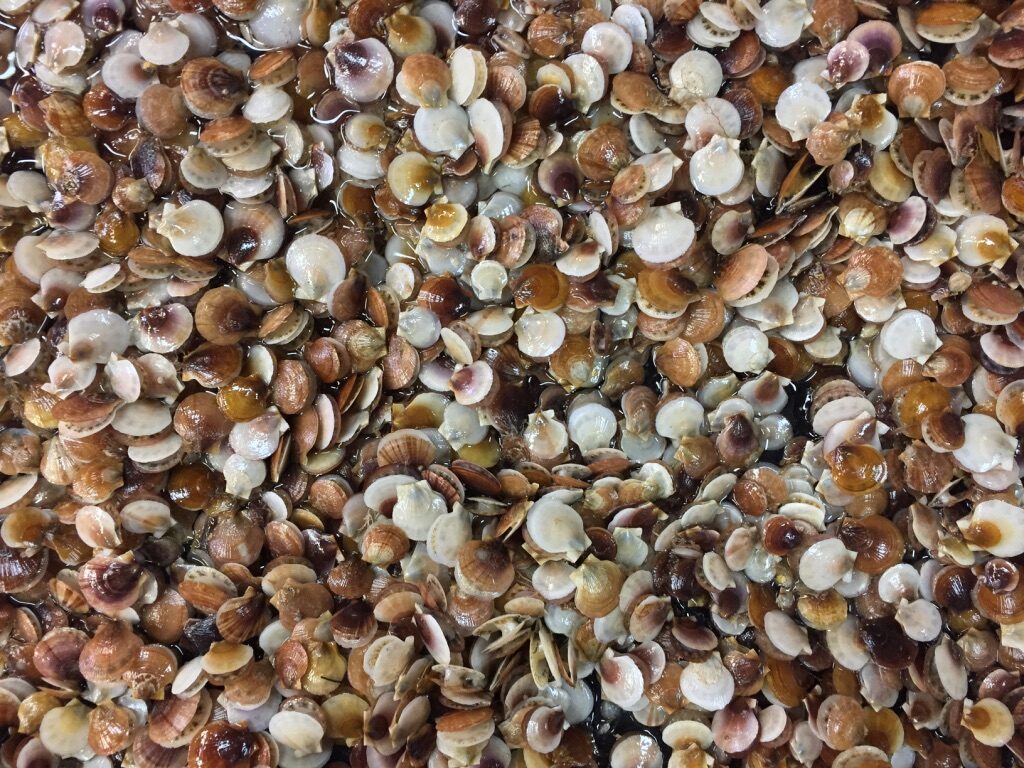
The Atlantic sea scallop is a large, cold-water scallop native to the Northwest Atlantic, ranging from Newfoundland to North Carolina. They are generally found at depths of 100 to 300 feet on the sandy or gravely parts of the seafloor. Sea scallops reach market size in two to three years and are prized for their large adductor muscle. Although sensitive to environmental conditions and stocking density, their high market value makes them attractive for aquaculture.
Bay scallop (Argopecten irradians)
The bay scallop is a small, short-lived bivalve. It is native to shallow coastal and estuarine waters of the western Atlantic, from Cape Cod to the Gulf of Mexico. Bay scallops are considered a promising species due to their fast growth and high-value adductor muscle. In Maine, bay scallops are an emerging species as the Gulf continues to warm. While not yet widely produced in Maine, some farmers have begun to explore bay scallops as a diversification opportunity.
The Atlantic sea scallop, once referred to as the “giant scallop”, has long been an important species for Maine’s commercial fishing fleet. Following a sharp decline in the scallop fishery, landings have increased in recent decades, along with a growing recognition of the premier quality of Maine scallops. Bay scallops have only been farmed experimentally, but are becoming a species of interest due to warming Gulf of Maine waters.
In 1999, with support from the Federal Government and the Maine Department of Marine Resources, MAIC organized and led a study mission to Japan’s Aomori Prefecture, where the Japanese scallop (Patinopecten yessoensis) is intensively grown on longlines and on the seabed. The trip sparked local interest, and by the fall of 1999, several research projects had begun to determine if Japanese scallop spat collection and husbandry methods could increase scallop production in Maine. Local fishermen started experimenting with Japanese spat collectors and found success in waters not too far offshore.
In 2021, MAIC convened a consortium (named the hatchery implementation team, or HIT) of researchers, hatcheries, and institutions in Maine and the Northeast U.S. to bring together the best cold-water hatchery experience and sea scallop larval research. The HIT was assembled in response to the Maine Scallop Aquaculture Report (Fitzgerald et al. 2021), which identified the lack of sea scallop hatchery technology as a primary barrier to meaningful growth in Maine’s scallop aquaculture industry. MAIC and partners also received funding from the Atlantic States Marine Fisheries Commission to develop a community of practice around scallop aquaculture and perform limited hatchery trials.
SPAT COLLECTION / HATCHERY (SEA SCALLOPS)
Wild sea scallop spat collectors are typically deployed in late September/early October, after larvae have started to settle. Spat collection bags made of mesh are filled with a settlement substrate and hung from vertical lines in the lower third of the water column. Spat retrieval occurs in late spring, followed by the nursery phase. Baby scallops can be kept in bottom cages, lantern or pearl nets, or floating cages until they are ready to begin grow-out, after about a year. From there, grow-out takes 1-3 years, during which time stocking density and growing conditions are closely monitored. Bay scallop seed, on the other hand, is produced in shellfish hatcheries, where the spawning of adult scallops is induced via a series of temperature shocks. Fertilized eggs are transferred to conical tanks, where they are supplied a mixed algae diet through their larval phase.
GROW-OUT METHODS (SEA SCALLOPS)
These grow-out methods are specific to sea scallops, as bay scallops are still only grown experimentally in Maine.
LANTERN & PEARL NETS
Nets are tiered and suspended vertically in the water column from a longline. Scallops are placed in each compartment and thinned as they grow. Lantern nets are cylindrical in shape, while pearl nets are pyramid-shaped. Pearl nets are typically used for early-stage scallop growth, while the larger lantern nets are used for the latter stages of grow-out. Routine husbandry is required to maintain optimal growth and minimize mortality throughout the grow-out period. Nets can be hauled onto the vessel and sprayed to remove biofouling organisms. Growers may use a cylindrical washer to remove debris and dead shells before grading. Scallops are then graded to a uniform size before being restocked in clean nets.
EAR HANGING
Ear hanging is the process of drilling a small hole into the ear of individual scallops and pinning them in pairs to dropper lines. Although labor and space-intensive, this technique allows for ample nutrients and minimal crowding, thought to result in faster growth rates and larger meat.
BOTTOM CULTURE
Bottom culture is a farming method where sea scallops are grown directly on the seafloor. It is a relatively simple and economical approach, but success depends on seabed characteristics and requires careful site selection. Scallops are placed in bottom cages made of wire mesh or molded plastic. Cages can be brought to the surface for stocking, grading, thinning, and harvesting. To clean cages, some farmers air-dry, power-wash, or dip them in a hypersaline or hot-water bath. While highly effective for holding large volumes of scallops, cost may be a constraint.
PROCESSING (SEA SCALLOPS)
Harvested scallops are typically cleaned using a high-pressure sprayer to remove algae, barnacles, and other fouling organisms. A specialized knife and, in some cases, automated machinery are then used to open the shell and extract the adductor muscle. The adductor muscles are cleaned, graded by size, and inspected for quality.
- The Maine Department of Marine Resources (DMR) is the primary regulator for aquaculture leases, licenses, and rules in coastal waters. DMR reviews lease applications, sets conditions, and administers aquaculture permitting processes.
- Growers can apply for a Limited Purpose Aquaculture License (up to 400 square feet, renewable annually), an experimental lease (up to 4 acres, 3 years), or a standard lease (up to 100 acres, 20 years).
- Seed used in aquaculture must originate from within the same Health Zone as the lease/LPA site, or a special permit must be acquired.
- A state Aquaculture License is required to sell cultured scallops.
The vast majority of scallop landings in the state (>99%) still come from wild harvest, but sea scallop aquaculture has taken hold with several small commercial farms operating along the coast. Bay scallops have only been farmed experimentally in the past, but are becoming a species of interest due to warming coastal waters.
In 2024, farmed scallops represented only a small fraction of the total fishery value, accounting for just over 5,000 pounds of the more than 4 million pounds of scallops landed in Maine, according to the Department of Marine Resources. Despite the challenges with growing scallops at scale, several Maine farms are actively refining culture techniques. Operations such as Vertical Bay are experimenting with scaling sea scallop production, while other farms are testing the feasibility of bay scallop aquaculture.
OPPortunities
- Strong domestic demand and high price point
- Well suited to Maine’s cold-water marine environment
- Proven culture techniques and technologies from Japan and other regions
- Expanded domestic market for live and roe-on scallops
Challenges
- Low tolerance for crowding; sensitive to temperature and salinity changes
- Limited large-scale seed production due to lengthy larval phase, larval sensitivity, and hatchery expenses
- Careful site selection required
- Labor-intensive husbandry that can be difficult to scale
Algae
Maine has played a leading role in the modern farmed algae industry for over 15 years. The state’s cold, clean coastal waters, long maritime tradition, and strong research infrastructure have supported the development of a sustainable, innovation-driven sector.

Algae are a diverse group of photosynthetic organisms that range from single-celled microalgae to multicellular macroalgae. They play an important role in global carbon, nitrogen, and phosphorus cycles by taking up carbon dioxide and nutrients during photosynthesis. This process can help reduce excess nutrients in the water and alleviate localized ocean acidification. Around the world, algae are both cultivated and wild-harvested for food and non-food uses. In Maine, the term “kelp farming” refers to the cultivation of native, cold-tolerant brown seaweeds using longline systems.
Microalgae, or phytoplankton, are microscopic organisms that form the base of most aquatic food webs. They can be cultivated in tanks or photobioreactors and are commonly used as dietary supplements, livestock feed, and hatchery feed for shellfish and urchins. Microalgae species cultivated for hatchery and research purposes include Isochrysis, Tetraselmis, and Chaetoceros.
Macroalgae— commonly called “seaweed”— are multicellular algae that attach to a substrate, providing habitat for marine organisms and contributing to ecosystem structure. Edible macroalgae are often referred to as “sea vegetables” and are gaining popularity as nutritious and sustainable food sources. Macroalgae (seaweed) species commonly farmed in Maine include sugar kelp (Saccharina latissima), skinny kelp (Saccharina angustissima), and winged kelp (Alaria esculenta).
Seaweed has long been part of Maine’s coastal culture through wild-harvest traditions in Indigenous and working waterfront communities. Commercial cultivation, however, is relatively recent. In the late 20th century, researchers and early entrepreneurs began adapting Asian and European kelp-farming techniques to the cold, nutrient-rich waters of the Gulf of Maine.
Pilot projects in the 2000s and early 2010s—led by the University of Maine, Bigelow Laboratory for Ocean Sciences, and industry partners—established reliable hatchery and longline grow-out methods for native species such as sugar kelp. These efforts laid the foundation for Maine’s modern seaweed industry and positioned the state as a national leader in farmed seaweed.
Over the past 10–15 years, Maine’s seaweed industry has grown from small pilot farms into a large, integrated network of small- and mid-scale farms, established seed-production nurseries, and a growing value-added processing sector.
Early leaders such as Atlantic Sea Farms helped establish commercial markets for Maine-grown kelp, and companies like Maine Coast Sea Vegetables continue to bridge wild harvest and cultivation traditions through multi-species research and product development.
HATCHERY
The process begins in a hatchery, where reproductive tissues from mature kelp are induced to release spores. These spores settle onto spools of twine and develop into juvenile kelp plants, creating “seeded” lines ready for deployment on farms.
Microalgae are cultivated in indoor tanks, carboys, or photobioreactors under controlled light, temperature, and nutrient conditions. These systems allow hatcheries to produce dense, clean algae cultures that serve as essential feed for oyster, mussel, and clam larvae. While not typically grown at commercial volumes for consumer products, microalgae are relevant to biotechnology, climate studies, and innovations in aquafeed.
GROW-OUT METHODS
In the fall, when water temperatures have dropped, farmers deploy seeded lines onto larger horizontal growout lines anchored to the sea floor. These horizontal longlines are typically suspended about 6-8 feet below the water surface to ensure adequate sunlight and nutrient exchange. During late winter and early spring, the kelp seed grows rapidly, relying only on natural sunlight and nutrient-rich waters. Farmers periodically check gear, remove fouling organisms, and monitor plant growth before harvesting in spring, when quality and yield peak.
PROCESSING
Harvested seaweed is transported to shore as quickly as possible to maintain freshness. After being washed, the seaweed is either chilled, cut, blanched, dried, and/or frozen, depending on the final product and available processing infrastructure. Processed seaweed is most commonly used for food products, animal feed additives, and agricultural biostimulants.
- The Maine Department of Marine Resources (DMR) is the primary regulator for aquaculture leases, licenses, and rules in coastal waters. DMR reviews lease applications, sets conditions, and administers aquaculture permitting processes.
- Growers can apply for a Limited Purpose Aquaculture License (up to 400 square feet, renewable annually), an experimental lease (up to 4 acres, 3 years), or a standard lease (up to 100 acres, 20 years).
- Site proposals are reviewed for impacts on navigation, existing fishing and aquaculture operations, and environmental sustainability.
- Local communities and stakeholders are notified of lease applications and may participate in the decision-making process.
- Anyone harvesting over 50 pounds/day or commercially must have a DMR Seaweed Harvesting License.
- Leaseholders must submit monthly landing reports and are limited in the number of LPAs they can hold.
Maine continues to expand both seaweed farming capacity and market development. In 2024, roughly 18.7 million pounds of farmed and wild-harvested seaweed were landed in Maine, valued at just under 2.5 million USD according to the Department of Marine Resources. The value of the seaweed industry has more than doubled since 2020, when it represented roughly 1 million USD. Farmed seaweed still only represents a small fraction of all harvested seaweed—less than 1 million of nearly 19 million pounds landed in 2024. The industry's value grew from $339,000 in 2021 to $592,000 in 2024; however, production value declined to $232,00 in 2025 as the sector entered a period of restructuring and market reassessment.
OPPortunities
- Unique opportunity for fishermen and aquaculture operators to diversify income in the off-season
- Potential for co-location with shellfish and/or finfish farms
- Future expansion of in-state processing and post-harvest infrastructure
- New market and product development
- Climate resilience research
Challenges
- Limited in-state processing infrastructure
- Rapid post-harvest handling is necessary to maintain product quality
- Limited consumer familiarity with products and a need for new product development and branding
- Markets are still developing compared to more established seafood industries
Finfish
Finfish aquaculture in Maine focuses primarily on the cultivation of cold-water species for seafood production, with smaller-scale ornamental fish culture and restoration hatchery work representing a small portion of the sector. These activities may take place in coastal waters, hatcheries, or land-based recirculating aquaculture systems (RAS). While commercial finfish aquaculture focuses on producing fish for consumption, restoration aquaculture applies similar practices to support wild populations and conservation goals. In Maine, finfish aquaculture contributes to seafood production, coastal employment, education, research, and innovation while operating alongside wild fisheries, shellfish aquaculture, and seaweed aquaculture. Continued advances in fish health, environmental monitoring, biosecurity, and farming technology support the responsible development of the sector.
Atlantic Salmon (Salmo salar)
Aquaculturists have been raising Atlantic salmon in the Gulf of Maine since the 1970s. Because commercial fishing for Atlantic salmon in the United States is prohibited, all Atlantic salmon sold in U.S. markets are farm-raised. Salmon farmers in Maine were among the first globally to develop comprehensive Best Management Practices (BMPs) to minimize environmental impacts. Developed collaboratively with state and federal regulators and environmental organizations, these BMPs establish environmental performance goals that exceed regulatory requirements and rely on third-party audits. Salmon farms in Maine are regulated by the Maine Department of Marine Resources, the Department of Environmental Protection, and the U.S. Army Corps of Engineers.
Cooke Inc. is a Canadian seafood company that has operated salmon farms in Maine for over 20 years. Cooke now maintains a fully integrated operation with several inland hatcheries, 24 lease sites, and a salmon processing facility in Machiasport. As new technologies have enabled Atlantic salmon to be raised in freshwater, several companies have proposed land-based farming projects. Great Northern Salmon is currently developing a moderate-scale salmon farm in Millinocket at the site of an old paper mill. The project is partially funded by the U.S. Environmental Protection Agency, doubling as a clean-up for sludge deposited in lagoons on the property. The farm is projected to produce 7,500 metric tons of salmon a year, relying on 100% renewable local hydropower.
Trout (multiple species)
Maine has one of the oldest and most productive hatchery programs in the United States. Established in 1895, the Maine Department of Inland Fisheries and Wildlife (MDIFW) operates eight hatcheries that collectively produce more than one million brook trout, brown trout, lake trout, splake, landlocked salmon, and rainbow trout a year. These facilities are supplied by lake water, springs, and underground wells, resulting in efficient operations with a low carbon footprint. Fish are stocked into more than 800 lakes, streams, rivers, and ponds across the state according to species-specific management guidelines.
In addition to state hatcheries, several private farms raise trout using land-based recirculating aquaculture systems (RAS). Mi’kmaq Farms in Aroostook County raises brook trout in a 3,000-square-foot hatchery. The hatchery was developed to strengthen food sovereignty within the Mi’kmaq Nation and is incorporated with agricultural production. Outflow from the system irrigates crops, and fish waste is captured and used as fertilizer. Small-scale operations such as Shy Beaver Trout in Hollis and Spectrum Trout Farm in South Paris specialize in producing trout for pond stocking, restaurants, resorts, and private landowners.
Other Species
Kingfish, Maine, Inc. has proposed a land-based recirculating aquaculture system in Jonesport designed to eventually produce 8,500 metric tons of yellowtail kingfish annually. The project, which has undergone multiple permit appeals since 2022, would operate using seawater and 100% renewable energy. Farm-raised yellowtail kingfish are certified by the Aquaculture Stewardship Council (ASC) and Best Aquaculture Practices (BAP). Additional finfish species farmed in Maine at smaller scales include tilapia (Springworks Farm) and ornamental species (Sea and Reef Aquaculture).
Finfish aquaculture has been part of Maine’s coastal economy since the late 20th century. Commercial salmon farming in marine waters took off in the 1980s following 1973 legislation that permitted the leasing of public marine waters. Early development was driven by suitable environmental conditions and preexisting working waterfront infrastructure across the state. Over time, the industry has evolved in response to environmental, biological, and regulatory challenges, as well as shifting market conditions. Today, finfish aquaculture is an established component of Maine’s broader aquaculture landscape, contributing to employment and innovation in the sector.
HATCHERY
Spawning season and egg collection for salmonid broodstock occur in the fall. Fertilized eggs are incubated in a freshwater hatchery, where juvenile fish are then raised under controlled conditions with close monitoring and frequent size grading. After 18 months, juveniles will undergo smoltification, a complex physiological and behavioral transformation that prepares them for marine survival. In the spring, as water temperatures warm, farmers transport Atlantic salmon smolt to saltwater farms. Other hatchery-raised finfish, such as the trout raised in the state’s hatchery program, are released into the wild, while others may spend their entire lives in a land-based farm.
GROW-OUT METHODS
MARINE NET-PEN SYSTEMS
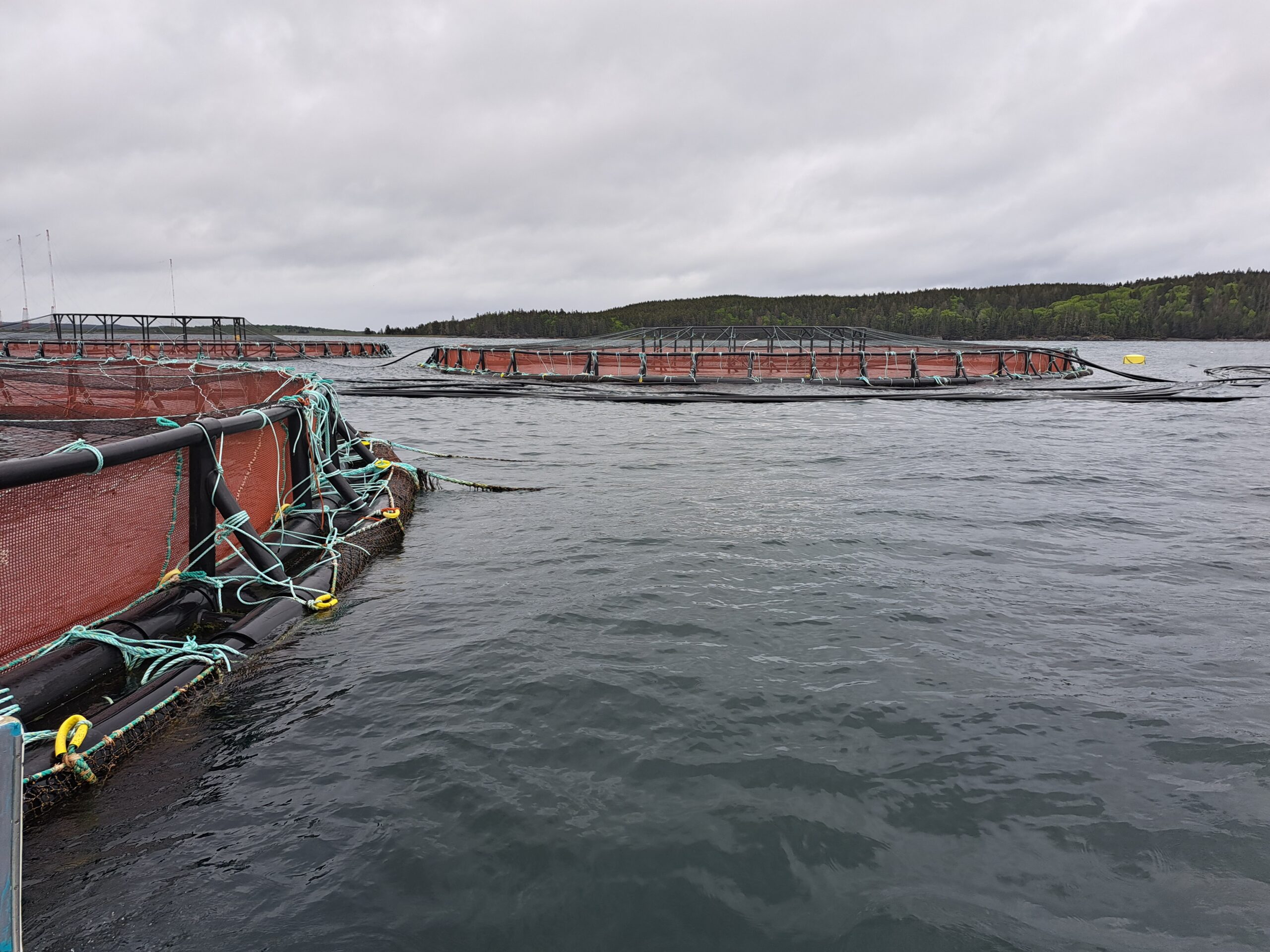
Marine net-pen systems are typically located in sheltered, high-energy coastal areas such as bays, which provide sufficient water exchange. The Maine Department of Marine Resources manages site approvals. A typical marine net-pen farm consists of multiple floating pens secured by large anchors and mooring lines. Each pen is designed with several layers of protection, including a primary containment net that extends 30 to 50 feet below the surface, a secondary predator net to deter seals and other wildlife, and a top cover to prevent fish escapes and bird predation.
The state of Maine limits stocking densities for salmonid species to a maximum of 30 kilograms per cubic meter to reduce stress on fish and minimize environmental impacts. Salmon raised in net pens are generally fed dry, nutrient-dense pellets made from ingredients such as fish meal, plant-based proteins, vitamins, and minerals. The grow-out period typically lasts between 12 and 24 months, depending on water temperature, site conditions, and the size of the fish when they are transferred to marine net pens. During grow-out, farmers monitor fish health, feeding behavior, and environmental conditions to support growth while minimizing impacts to the surrounding ecosystem.
LAND-BASED, RECIRCULATING AQUACULTURE SYSTEMS (RAS)
Recirculating Aquaculture Systems (RAS) are land-based aquaculture facilities designed to minimize water use while supporting high-density fish production. These systems continuously treat and recycle water through a combination of mechanical filtration, biofilters, and UV treatment, allowing operators to manage water quality and oxygen levels. Stocking densities are determined by the system’s capacity to remove excess nutrients and maintain optimal conditions. Essential husbandry practices include daily monitoring of water quality, automated feeding, rapid waste removal, and strict biosecurity controls. Because RAS operate in a fully controlled environment, they can support optimized, year-round growth. Potential benefits include increased biosecurity, water efficiency, and environmental control. However, high capital and operational costs remain a barrier, and most land-based systems in Maine are still in an experimental or pilot stage.
PROCESSING
Harvested finfish are rapidly cooled to below 40°F to ensure quality. Fish are brought to processing facilities, where they are typically gutted, filleted, and vacuum-sealed before being flash-frozen. Processing facilities must meet strict requirements for waste management, record-keeping, and sanitation.
- The Maine Department of Marine Resources (DMR) is the primary regulator for aquaculture leases, licenses, and rules in coastal waters. DMR reviews lease applications, sets conditions, and administers aquaculture permitting processes.
- A Maine Pollutant Discharge Elimination System permit is required from the Department of Environmental Protection to manage potential waste.
- The U.S. Army Corps of Engineers regulates infrastructure in navigable waters.
- Regular health checks and vaccinations are mandatory for minimizing disease and parasite transmission.
Finfish aquaculture in Maine is currently limited in scale compared to shellfish farming but remains an important component of the state’s aquaculture sector. Atlantic salmon production supplies domestic markets and contributes to year-round employment in coastal communities. The industry continues to adapt to environmental change, evolving technology, and market dynamics.
OPPortunities
- Strong domestic and global market demand for finfish
- High protein yield and efficient feed conversion compared to many terrestrial livestock species
- Culture of native species whose growth is compatible with Maine’s cold-water environment
- Potential for continued innovation in farming systems and fish health management
- Workforce training and retention in aquaculture operations
Challenges
- Sensitivity to environmental conditions, including temperature and water quality
- Fish health and disease management
- Public perception and social license concerns
- Regulatory complexity and siting constraints
- High capital and operational costs
Clams
Clamming has been a part of Maine’s coastal culture for centuries, merging local food systems, municipal management, and working waterfronts. Today, as historically productive mudflats face declining productivity due to predation and environmental change, clam aquaculture has emerged as a complement to the wild fishery. Through hatchery production, targeted mudflat seeding, and experimental grow-out techniques, Maine farmers and researchers are actively exploring ways to rebuild traditional soft-shell clam populations while simultaneously pioneering hard clam (quahog) cultivation to adapt to warming waters, diversifying the state’s shellfish industry.
Soft-shell clam (Mya arenaria)
Soft-shell clams can be found in intertidal mudflats along the East Coast of North America and have long been a New England seafood staple. As the name suggests, soft-shell clams have brittle calcium carbonate shells that cannot close completely, so they must burrow in mud or sand to avoid predation. They are characterized by a long siphon that allows them to filter feed from deep burrows.
Hard clam / Northern Quahog (Mercenaria mercenaria)
Hard clams thrive in shallow, sandy, or muddy saline waters along the Eastern seaboard of the United States. These clams have thick, robust shells that close tightly to protect against predation. They are particularly abundant between Cape Cod and New Jersey; however, their distribution is expected to shift northwards due to warming temperatures, making them an emerging species of interest in Maine. Quahog aquaculture is a well-established industry in Massachusetts, with an extensive network of municipally-managed hatcheries, nurseries, and grow-out sites.
Other Species of Interest: Atlantic surf clam (Spisula solidissima), Atlantic razor clam (Ensis leei), Arctic surf clam (Mactromeris polynyma)
Maine’s clam fishery has a centuries-long history, rooted in the harvesting traditions of the Wabanaki Nation and early European settlers. While municipalities have managed wild harvests since the 1800s, recent population crashes, largely driven by environmental pressure and predation by green crabs and ribbon worms, have forced the industry to adapt. Today, clam aquaculture and the targeted seeding of historic mudflats are emerging as vital solutions to sustain the sector.
HATCHERY
SOFT-SHELL CLAMS
The Downeast Institute for Applied Marine Research and Education’s hatchery produces millions of seed soft-shell clams every year. Broodstock are temperature-shocked into releasing eggs by being moved from cold to warm water. Fertilized eggs are then collected and moved to large tanks. Once seeds have reached 1-2 mm in length, they are placed in floating trays at a density of 15,000 per tray and transported to a mudflat near the hatchery. The young clams are left to grow in trays until they reach transplant size (3-12 mm).
HARD-SHELL CLAMS
Quahog larvae are bred in hatcheries and fed algae until they reach 1mm in size. As the larvae undergo metamorphosis, they develop their shell and lose their swimming ability, usually around 7-14 days. They are then moved to mesh containers supplied with seawater. One of the biggest farming challenges is this nursery phase, as it can be difficult to keep 1mm seed contained while maintaining sufficient water flow. Once they reach 2-5 mm, they continue their nursery stage in an upweller or mesh bags in the water.
GROW-OUT METHODS
SOFT-SHELL CLAMS
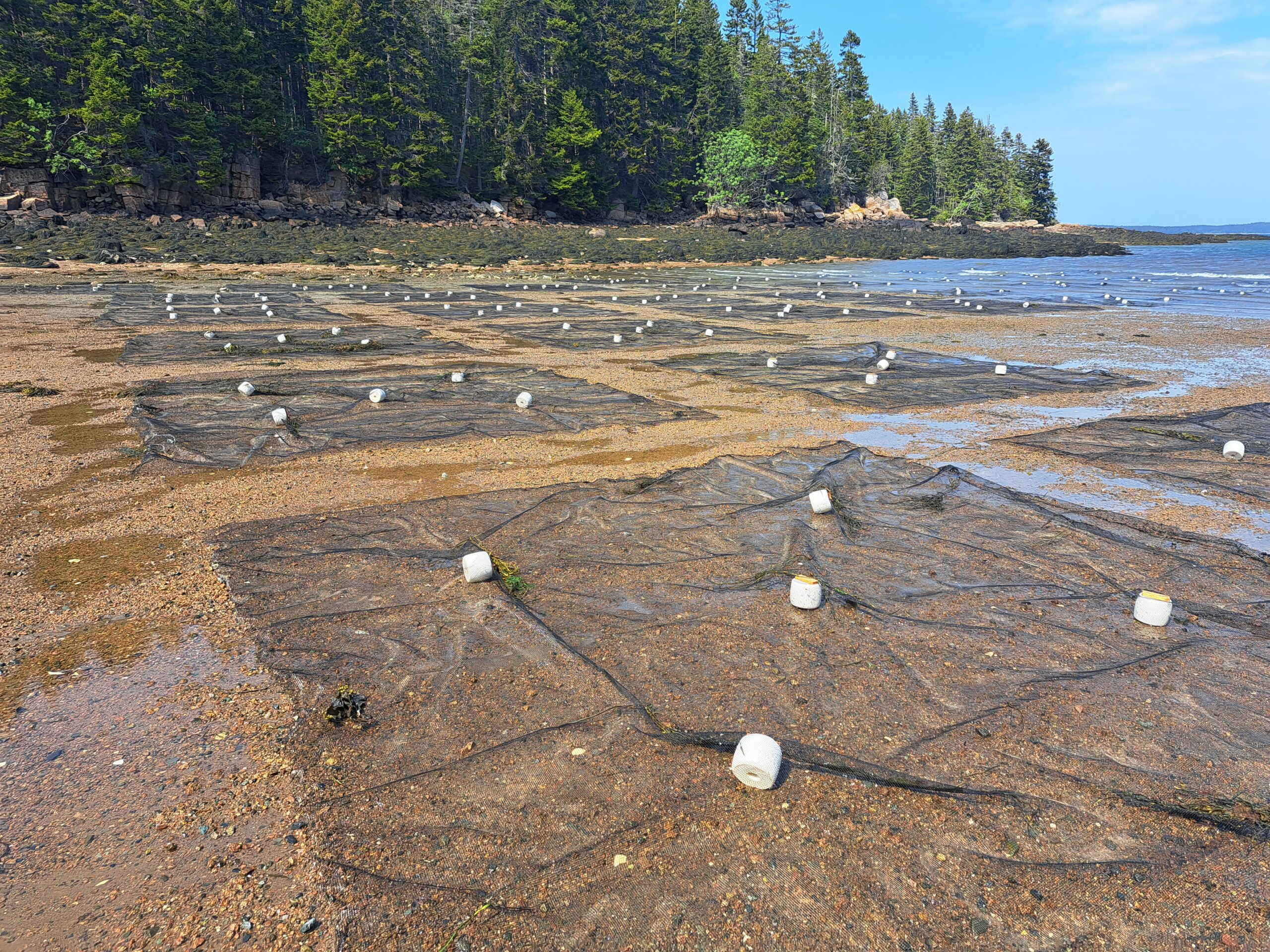
In the spring, hatchery-raised soft-shell clams are transported to historically productive mudflats suffering from declining populations. To protect the clams from predators, seeded areas are covered with predator-exclusion nets, allowing clams to grow undisturbed.
HARD-SHELL CLAMS
For their final grow-out, hard-shell clams can be placed in trays, pens, or bags planted on intertidal or subtidal mudflats. The bags/trays should be routinely pulled out of the mud to prevent them from getting buried. They have been experimentally grown beneath floating oyster farms with mixed success.
- The Maine Department of Marine Resources (DMR) is the primary regulator for aquaculture leases, licenses, and rules in coastal waters. DMR reviews lease applications, sets conditions, and administers aquaculture permitting processes.
- Growers can apply for a Limited Purpose Aquaculture License (up to 400 square feet, renewable annually), an experimental lease (up to 4 acres, 3 years), or a standard lease (up to 100 acres, 20 years).
- Key regulations include a 2-inch minimum size for soft-shell clams, mandatory native species usage, and mandatory gear marking.
- Many towns have conservation ordinances that require residents to obtain municipal licenses to farm or harvest
Soft-shell clams remain one of Maine’s most valuable wild shellfish industries. In 2024, approximately 5.7 million pounds of soft-shell clams were landed in Maine, according to the Department of Marine Resources. Soft-shell clams generated $15.6 million in market value, making it the second most profitable Maine fishery after lobster. Hard-shell clam landings totaled approximately 1.9 million pounds, with a value of $3.4 million. While most clam production remains wild-harvested, aquaculture and enhancement efforts are increasingly viewed as tools to stabilize supply and support coastal communities.
OPPortunities
- Growing demand for small clams in raw half-shell markets
- Expansion of clam seeding and wild population enhancement programs
- Development of quahogs as a secondary crop for shellfish farmers
- Selective breeding and hatchery advances to improve survival
Challenges
- High predation pressure from crabs, worms, birds, and fish
- Labor-intensive seeding and predator management
- Sensitivity to temperature and sediment conditions
Want to learn more about Maine's farmed species?
Check out the free self-guided learning modules on our Aquaculture Learning Hub page to learn about bivalve biology, seaweed farming, shellfish hatcheries, and more.