RESOURCES
Maine Aquaculture Webinar Series
Sign up for upcoming webinars and browse recordings covering a wide range of research, innovations, and opportunities in aquaculture.
Online Webinar Series: Maine Department of Marine Resources & MAIC
Join MAIC and Maine DMR for a webinar mini series this fall covering three more frequently asked about topics. Each webinar will consist of a short presentation and time for Q&A with panelists. You can submit anonymous questions, comments, or topics for discussion prior to the webinars using this Google form.
Please reach out to Sydney Avena with any questions.
Thursday, September 24th, 4:00 pm: Is the Aquaculture Advisory Council just a bunch of DMR patsies? Join Kohl Kanwit of the Department of Marine Resources and Steve Zimmerman of the Aquaculture Advisory Council to find out why the AqAC is worth your time.
Thursday, October 8th, 4:00 pm: Navigating the bureaucratic licensing maze to sell product for maximum profit. Join Kohl Kanwit and James Backer of DMR along with representatives from other state agencies to get the answers you need for all the ways to sell your aquaculture products.
Thursday, November 12th, 4:00 pm: To amend, or not to amend. Why you may not need a lease amendment at all. Join DMR staff to understand the major new law and regulation changes that increase industry flexibility and eliminate the need for some amendments in the first place.
Seaweed Tour de Brittany
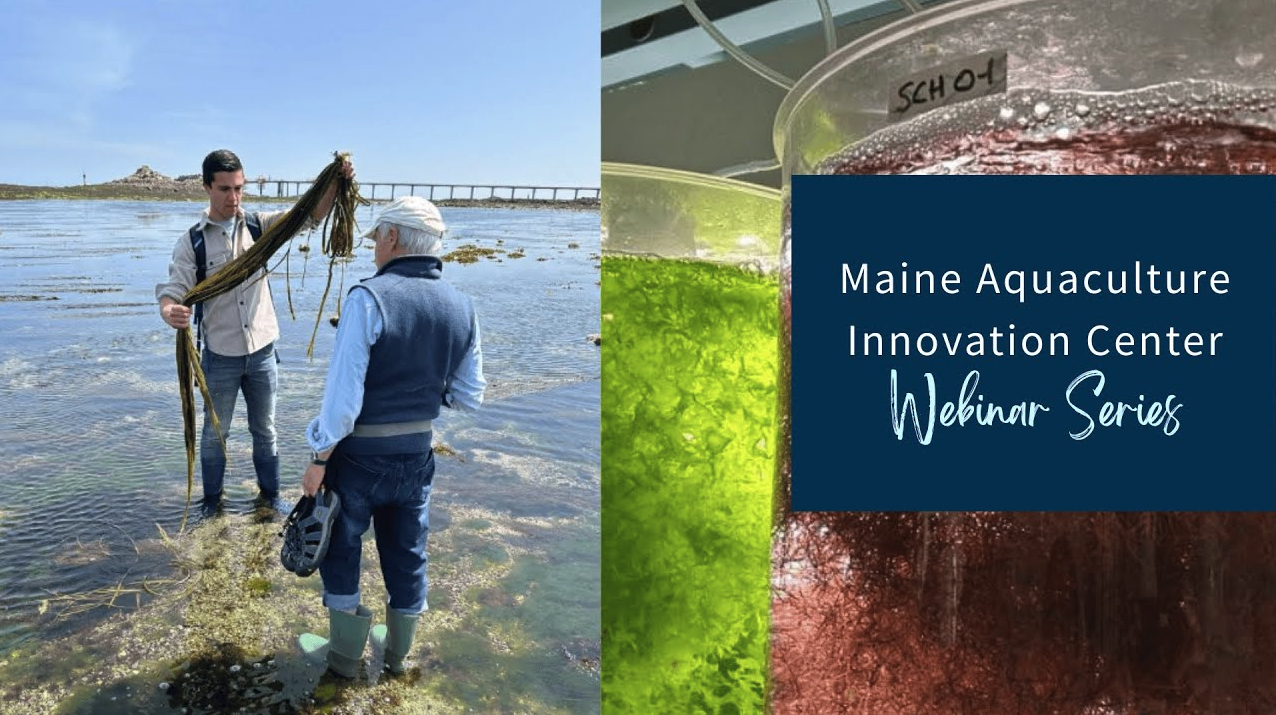
The northwest corner of France, Brittany, is a center of seaweed biodiversity that has served research and commercial interests for over a century. This presentation summarizes a tour of the modern seaweed interests in Brittany through the lens of wild and farmed seaweed uses, ranging from new food products to decades-old agriculture amendment applications. We'll also compare the challenges and opportunities of sourcing wild and farmed seaweeds in France vs. Maine and New England.
Maine FishAbility Info Session
Presenters Toni & Bella from Maine FishAbility cover program goals, eligibility, services offered, direct services provided, education & outreach, and more!

Aquatic Animal Health & Biosecurity
An informative session providing foundational knowledge on bivalve health, common diseases, and practical assessment techniques for bivalve aquaculture operations. Ideal for new and experienced growers, hatchery technicians, and anyone involved in shellfish farming who wants to strengthen their understanding of animal health and regulatory compliance.
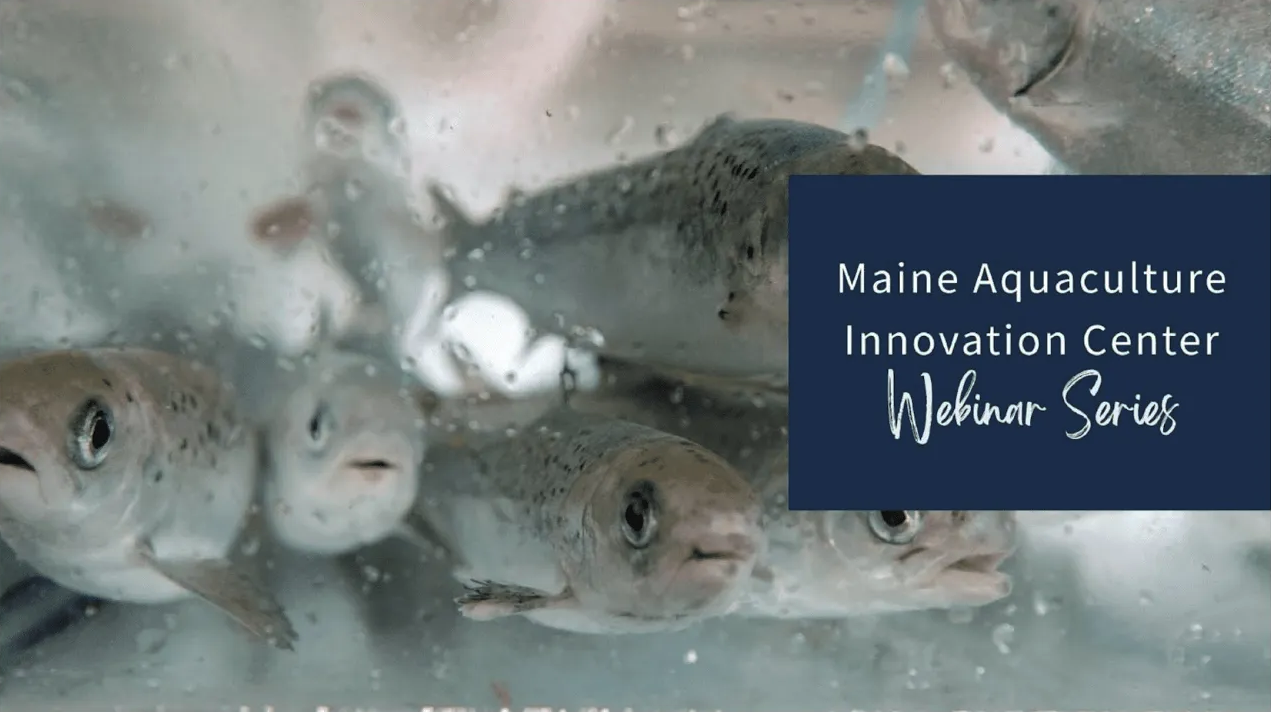
Finfish Aquaculture in Maine
Researchers from the Aquaculture Research Institute (ARI) at the University of Maine present an in-depth look at cutting-edge finfish research happening in Orono, highlighting ongoing studies in fish health, selective breeding, and alternative feeds. Presenters share updates from projects on Atlantic salmon, sustainable feed ingredients, and disease prevention.
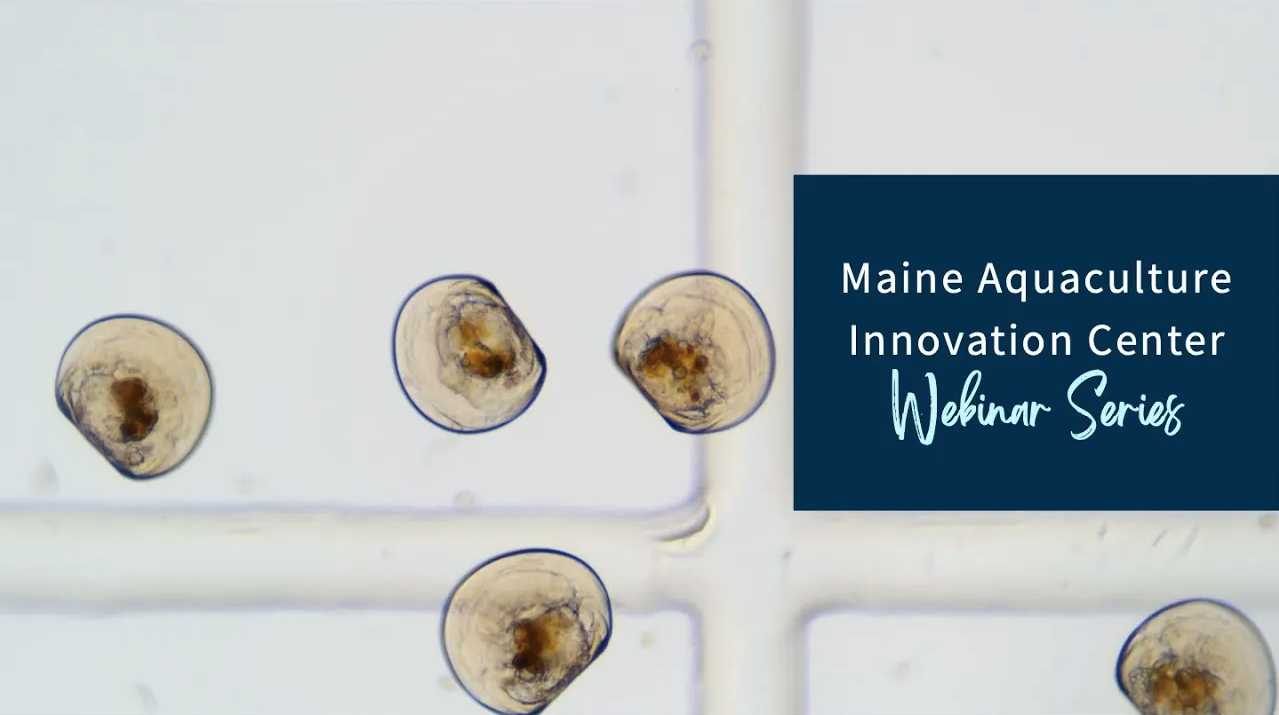
Hatchery Collaborative Approach to Developing Techniques for Atlantic Sea Scallops
Over the past four years, three Maine hatcheries — Mook Sea Farm, the Darling Marine Center, and Downeast Institute — have collaborated to produce Atlantic sea scallop spat in a hatchery to support the emerging sea scallop aquaculture sector. Hear about the trials, tribulations, and successes of growing these delicate bivalves in their earliest life stages.
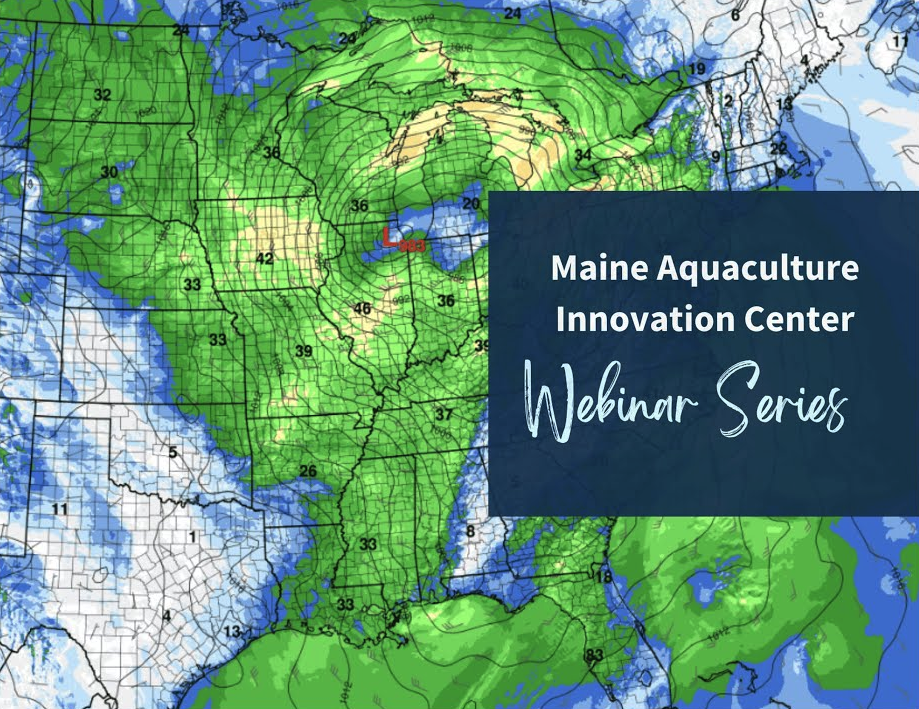
The State of The Gulf of Maine: Storming & Warming
An informative session regarding the current and future climatology in the Gulf of Maine. Dr. Damian C. Brady discusses the changes in climate and its potential impacts on the Gulf of Maine and its coastal communities.
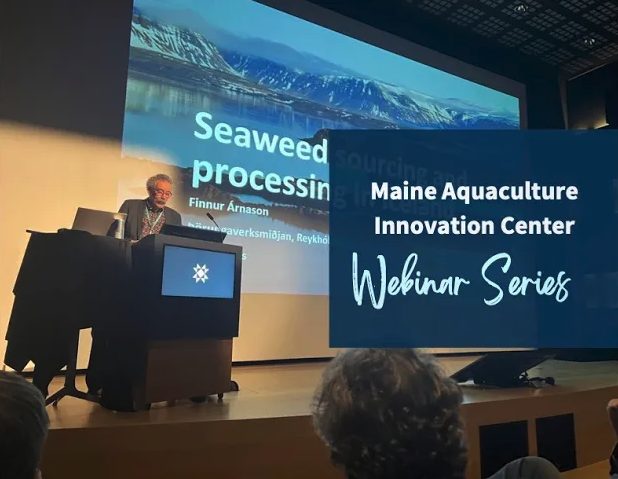
Arctic Algae: A Review of the Iceland Seaweed Conference
Alexa McGovern discusses her experience at the Arctic Algae conference in Reykjavik, Iceland and her experience in the farmer-to-farmer exchange program that connects Maine farmers with peers globally to share practices and foster innovation.
Aquaculture Leasing & Licensing
Lisa White, DMR Aquaculture Program and Outreach Coordinator, presents on the application process for lease and license sites. Helpful for anyone preparing to submit a lease or license application within the next six months.
Automation in the Scallop Industry
Explores the economic implications of automation for two on-water scallop culture methods: traditional lantern nets and novel ear-hanging. Shows that ear-hanging provides 4–11% improved adductor muscle growth and is more profitable, and introduces a free application toolkit to assist grower decision-making on a case-by-case basis.
A Panel Exploring Maine Seaweed Education
Focused on how to create and incorporate effective seaweed education resources into classrooms and beyond, with a particular focus on seaweed aquaculture as a climate mitigation strategy relevant to Maine's working waterfront.
Japanese Seaweed Tech Transfer
In June 2024 a delegation of Maine seaweed professionals traveled to Hokkaido, Japan. Liz and Jax share learnings on kelp farming, processing, and the cultural importance of the Japanese seaweed industry.
Aquaculture Perspectives from Minorities in Aquaculture Interns
A panel of Minorities in Aquaculture interns share their experiences in the aquaculture industry during the summer of 2024.
Why Aquaculture is Important to the Future of Maine's Working Waterfront
Details how aquaculture helps to preserve and shape the future of Maine's working waterfront, combining data, photos, and stories to illustrate how aquaculture helps uphold Maine's cultural heritage and traditions of families making a living on the water.
How to Create, Build, and Grow a Sustainable Aquaculture Business in Maine
Christian discusses crucial components of building a successful, sustainable aquaculture business in Maine, including priority assessment, goal setting, and production planning. Sets you up with the proper resources, contacts, and more to prepare you for planning the future of your business.
Vibrio in Maine: Minimizing Risk
Covers what Vibrio is, where it lives, how it thrives, and what harvesters and dealers can do to reduce the risk of illness for consumers following the expanded Vibrio regulations implemented in 2024.
The Aquaculture of Green Sea Urchins in New England
An overview of the current status and recent efforts in growing the sea urchin aquaculture sector, covering several years of collaboration between the University of Rhode Island, UMaine CCAR, and Maine Sea Grant.
Tips for Effective Social Media Management
A guide developed with NOAA Saltonstall-Kennedy funding to help U.S. seafood farmers and fishermen use social media more effectively. Covers how to highlight key messages, choose a platform, and build a social media strategy that is right for you.
Best Movement Practices for Your Farm
Your body is a constant tool on your farm. This webinar covers how to safely and effectively work on the farm, leaving you with a better understanding of how to maintain your body for greater comfort and productivity.
Legal Considerations for Aquaculture
Eaton Peabody attorneys cover a broad array of legal considerations for aquaculturists including formation and planning, leasing and permitting, funding and growth, employment matters, and intellectual property.
Alaskan Kelp: The Farmer's Perspective
After a trying season, three disillusioned Maine kelp farmers traveled to Alaska and joined a GreenWave farmers summit in Kodiak where they learned about innovations in farm layout and harvest equipment. Through sharing experiences with farmers from across Alaska and British Columbia, they were reenergized and inspired to think more broadly about the development of kelp farming regionally and worldwide.
Diploid and Triploid Oyster Performance in Maine
Tom compares diploid and triploid oysters across different growing environments, culture systems, and oyster physiology in the Damariscotta River to improve understanding of oyster cultivation in Maine's most productive oyster farming region.
From Maine to Washington State and Back Again: A Shellfish Tale
The latest technologies and culture strategies used on the west coast to grow all types of bivalve shellfish. Covers mussel, clam and oyster hatcheries, farms and processing plants in Washington state, and how farms have become vertically integrated and resilient.
Visit with Cooperative Unica de Mujeres, Ostionera
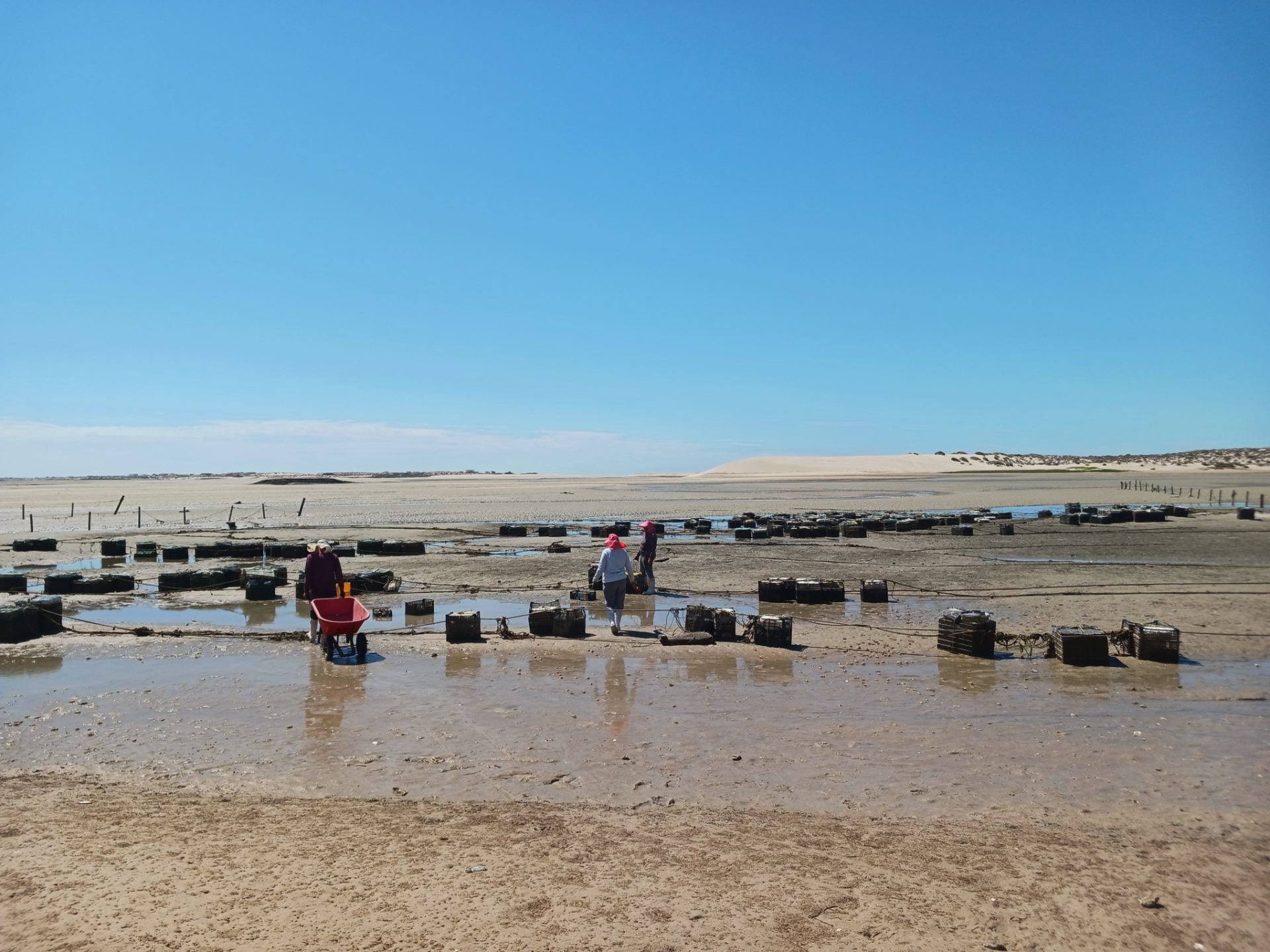
Amanda takes us on her journey to visit the women-owned and operated oyster farming cooperative Ostionera Unica de Mujeres in Puerto Penasco, Mexico, sharing critical takeaways on cooperative work, different oyster farming techniques, and creating community networks.
Online Data Sources for Aquaculture Site Selection
Tom demonstrates free online resources for choosing a lease location, covering topics including historic HAB events, high resolution satellite sea surface temperatures, salinity data, and more.
Social License for Shellfish and Seaweed Aquaculture in Maine
MAIC partnered with 30 Maine shellfish and seaweed farmers to create a guide for generating social license. Emily gives an overview of farmer strategies for outreach and engagement, gaining trust from stakeholders, and dealing with opposition.
Building Wholesale Oyster Relationships with the Gulf Coast
Libby shares her adventure to the Gulf Coast where she met with raw-bar owners, explored wholesale shipping from Maine to South Carolina and New Orleans, reviewed business models for raw-bars in different regions, and experienced southern seafood traditions.
Opportunities for Aquaculture Development through International Tech-Transfer
Explores domestic and international tech-transfer efforts (Japan & South Korea) with lessons learned, best practices, and success stories. CEI has been leading efforts to bring new opportunities to Maine fishermen and aquaculturists to launch commercial businesses.
Lessons From Down Under: Exploring Australia's Growing Aquaculture Scene
Learn how Australian oyster farms use gear innovation and semi-automatic farming systems to maximize efficiency, and how vertically-integrated businesses have created quality checks, streamlined supply chains, and cohesive marketing strategies.
Seaweed Drying and Processing Technology in Scandinavia
Meeting with Norwegian Kelp Farmers: Lessons from our Nordic Neighbors
Mitch Lench, CEO of Ocean's Balance, traveled to Norway and met with several seaweed companies and a research institute. He discusses the similarities and differences between the Maine and Norwegian market as well as challenges and opportunities for both industries.
Demonstration of Free-to-Use Market Research Tools
Tricia Labbe presents key findings from three recent consumer attitude studies about farm-raised seafood, then leads a demonstration of how aquaculture companies can use consumer insights and Atlantic's free data tools to inform business and production planning.